


Description
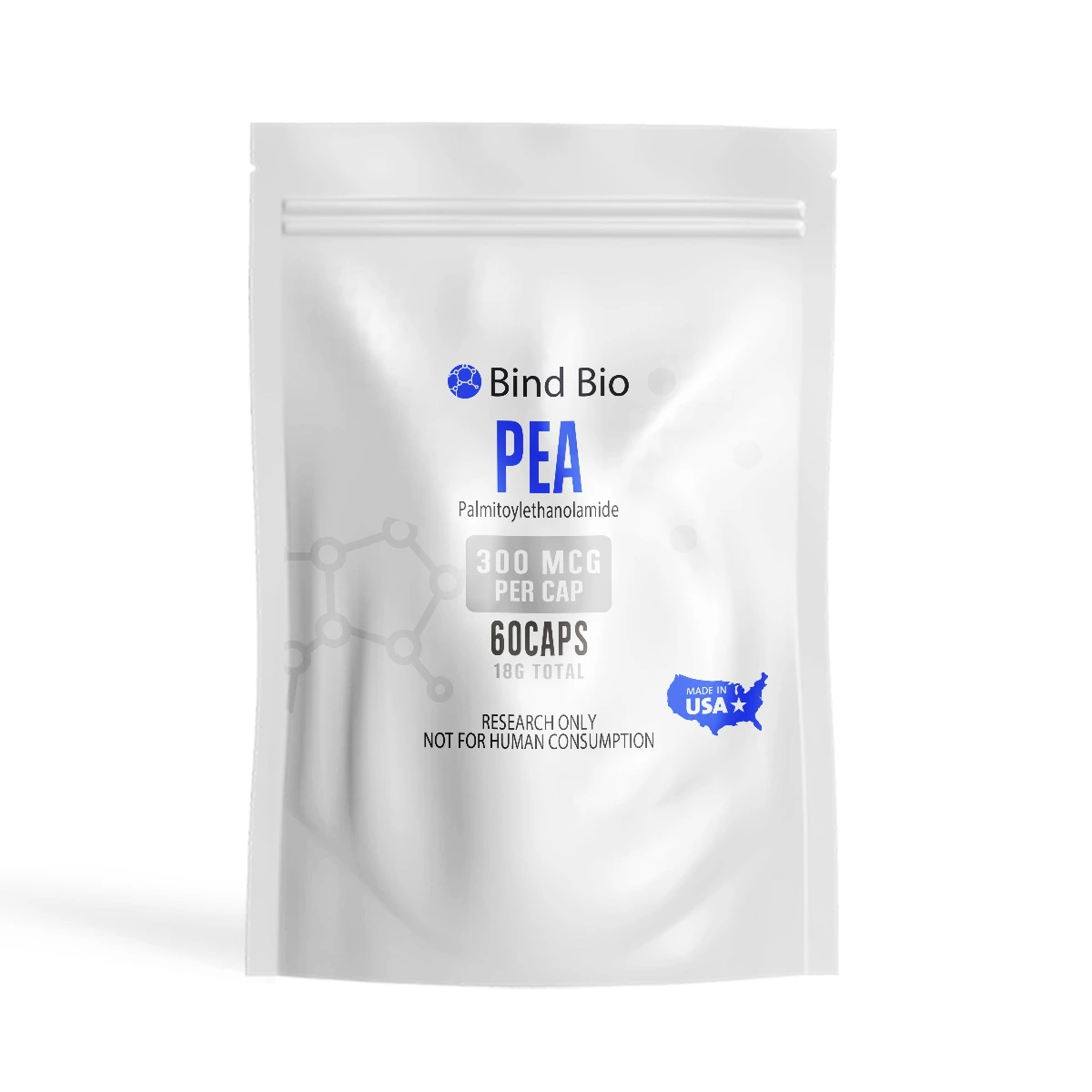
Palmitoylethanolamide (PEA) – With Levagen Capsules
How Does Palmitoylethanolamide (PEA) Work?
Palmitoylethanolamide, or simply PEA, is a unique fatty acid compound. It serves as a potent natural modulator for pain and inflammation. The body produces PEA in response to injury, inflammation, or cellular stress. It is also present in some foods such as egg yolks and peanuts. [R]
PEA operates through multiple mechanisms in the body. It interacts with different receptors and ion channels. These are believed to regulate pain, inflammation, and immune response.
Interaction with CB1 and CB2 Receptors
PEA has been shown to bind to both CB1 and CB2 cannabinoid receptors. However, its binding affinity is higher for CB2 receptors. The mentioned receptors are primarily involved in modulating inflammation and immune responses.
CB2 receptor activation by PEA is essential in managing pain and inflammation. PEA does this without the psychoactive effects related to CB1 receptor activation.
TRPV1 and TRPA1 Ion Channel Activation
PEA can also act as an agonist for the TRPV1 and TRPA1 ion channels. These are found in noniceptive neurons. They are neurons that respond to potentially damaging stimuli.
- TRPV1 Activation: TRPV1 stands for (Transient Receptor Potential Vanilloid 1). Painful stimuli activate these ion channels. When PEA activates TRPV1, it results in a controlled influx of calcium ions into the cell. This initiates a cascade that modulates pain signals. [R]
- TRPA1 Activation: TRPA1 means Transient Receptor Potential Ankyrin 1. These ion channels respond to irritating or painful stimuli. These could include cold temperatures and compounds derived from mustard oil. When activated by PEA, TRPA1 channels alow calcium ions to flow into the cell. This initiates pain signaling pathways. [R]
By activating TRPV1 and TRPA1, PEA can manage pain perception. This effect is particularly beneficial for patients with neuropathic and inflammatory pain.
Properties
| Palmitoylethanolamide (PEA) | |
| CAS Number | 544-31-0 |
| Molar Mass | 299.49 g/mol |
| Chemical Formula | C18H37NO2 |
| IUPAC Name | N-(2-Hydroxyethyl)hexadecanamide |
Potential Benefits of Palmitoylethanolamide (PEA)
Provides relief from pain and inflammation
PEA’s interaction with CB1 and CB2 receptors may boost levels of endocannabinoids. These are the body’s natural compounds that regulate immune response and inflammation. Eventually, this interaction leads to reduced pain and swelling. [R]
Encourages joint health
PEA could help with arthritis-related pain by its anti-inflammatory properties. This includes inhibiting cyclooxygenase-2 (COX-2) and interleukin-1β (IL-1β) production. These compounds are involved in inflammation. One 2021 study even identified PEA as a possible treatment for osteoarthritis (OA). [R]
Promotes healthy aging
PEA can also act as an antioxidant. It has been shown to neutralize free radicals as it reduces inflammation. Thus, PEA protects cells from oxidative damage. The latter is one of the primary contributors to aging. [R]
Enhances athletic performance and recovery
PEA may aid in exercise recovery by reducing inflammation and promoting muscle repair. This potential benefit makes PEA an ideal supplement for athletes looking to enhance recovery. [R]
Provides anti-allergy properties
PEA reduces histamine release from mast cells, which helps alleviate allergic symptoms. In animal studies, PEA has shown efficacy in reducing chronic skin itching linked to allergies. [R]
Side Effects and Safety Considerations
Palmitoylethanolamide (PEA) is generally well-tolerated. The possible adverse reaction could be an upset stomach. But this is extremely rare.
Why Choose BindBio to Buy Palmitoylethanolamide (PEA) Online
Bindbio is committed to providing a high-quality and reliable Palmitoylethanolamide (PEA). Here’s why we stand out as your trusted resource:
High-Quality Standards
At BindBio, we adhere to rigorous quality control standards for every product we offer. Our partnerships are only top-tier products only. We are referring to PureRawz, BehemothLabz, and RCD.bio. Every batch of Palmitoylethanolamide (PEA) is carefully vetted to ensure it meets our strict standards.
Competitive Pricing without Compromising Quality
BindBio provides exceptional value by balancing premium quality and affordability. We provide our clients with competitive pricing. This model ensures you receive excellent value for your investment.
Broad Selection of Research Compounds
Beyond Palmitoylethanolamide (PEA), BindBio offers a wide range of research chemicals. You’ll find peptides, SARMs, and nootropics on our website. Our extensive selection allows you to conveniently source multiple compounds for your research studies.
Reliable, Prompt Service and Secure Transactions
Customer satisfaction is one of our top priorities. Our website is user-friendly. We also support secure payment options for a safe purchasing experience.
Disclaimer
Bindbio provides general product information only. Our aim is to provide precision and dependability. However, due to the latest updates and research, we cannot guarantee the information’s completeness, reliability, appropriateness, or availability for any purpose. Thus, our readers assume the risk of using such information.
The content on Bindbio should not replace nutrition, supplements, medical advice, diagnosis, or treatment. It is recommended to consult your doctor or other medical professionals with any medical questions. Readers should not delay medical advice based on Bindbio’s information.
FAQs
Is Palmitoylethanolamide (PEA) safe for long-term use?
Based on some clinical studies, PEA is safe for prolonged usage. Some participants reported minimal to no side effects. However, consult first with a medical professional before using PEA for long-term use.
What is the suggested dosage for Palmitoylethanolamide (PEA)?
The optimal dosage varies from one person to another. The generally accepted dosage for PEA could be between 300 – 600 mg. Seek the advice of a healthcare professional to determine if PEA is right for you.
Is Palmitoylethanolamide (PEA) being studied as a possible medication for other medical health conditions?
PEA is being studied for its possible benefit on the following health conditions:
- Depression
- Anxiety
- Fibromyalgia
- Stroke recovery
Reviews
There are no reviews yet.