








Description
Coluracetam
Coluracetam is a fat-soluble nootropic research compound that belongs to the racetam family. It is known to be more potent than the original racetam, Piracetam.
Coluracetam is very similar in structure to Piracetam and contains a pyrrolidine nucleus at its core. Essentially it is built very closely to Piracetam. The latest clinical research seems to indicate that Coluracetam has the potential to aid depressive disorders, and interestingly even assist with optic and retinal nerve damage.
As a nootropic, it has very strong choline-targeting abilities. This means it may boost the brain’s choline conversion process. This is a process that is responsible for increases in alertness and improvements in memory. Like most nootropics, it may also affect AMPA receptors. This may explain its potential stimulant-like effects.
How Does Coluracetam Work?
Although the exact mechanism is still debatable, Coluracetam has many reported effects:
Coluracetam Binds to AMPA Receptors
Coluracetam research has shown its efficacy as an AMPA receptor agonist. This means Coluracetam has the ability to bind to and activate AMPA receptors. This is a receptor in the brain that can transmit signals between various nerve cells. This includes nerve cells involved in learning and memory. [R]
Increases High-Affinity Choline Uptake
Research on Coluracetam has indicated that it may boost choline uptake in the brain. Coluracetam does this by targeting high affinity choline uptake (HACU).
HACU is a process by which nerve cells absorb choline. This may affect the brain as choline is vital in producing acetylcholine, a neurotransmitter involved in muscle control and memory. [R]
Coluracetam May Protect NDMA Receptors
Glutamate is a neurotransmitter that plays a key role in brain function. In one preclinical study, Coluracetam protected the NDMA receptors from glutamate toxicity. It has been shown that damage to these receptors is involved in traumatic brain injury, Alzheimer’s disease, stroke, and other brain diseases. [R]
| Coluracetam | ||
| CAS Number | 135463-81-9 | |
| Molecular Weight | 341.411 g/mol | |
| Molecular Formula | C19H23N3O3 | |
| IUPAC Name | N-(2,3-Dimethyl-5,6,7,8-tetrahydrofuro[2,3-b]quinolin-4-yl)-2-(2-oxo-1-pyrrolidinyl)acetamide | |
| Synonyms | mkc 231 |
Potential Benefits of Coluracetam
Coluracetam and Cognitive Function
A study involving rats with compromised memory was used to explore the effects of Coluracetam through a choline transport system. The study showed that Coluracetam has a notable impact on the choline transport system. This leads to long-lasting cognitive enhancement and improvement. [R]
Coluracetam for Memory and Learning
Another study involving rodent subjects found some interesting applications for Coluracetam on memory and learning. Coluracetam showed the ability to repair damage induced by PCP (phencyclidine) to learning and memory in rats. This may have massive implications for damage caused by drug abuse. [R]
Coluracetam on Optic and Retinal Nerve Damage
Coluracetam has shown some promise in rodent studies examining retinal and optic nerve damage. Coluracetam was able to help repair retinal and optic nerve damage through several mechanisms. This includes its potential to enhance choline uptake, its neuroprotective effects, its ability to improve synaptic plasticity, and its ability to reduce inflammation. [R]
Coluracetam and Anxiety
Coluracetam has the potential ability to lower anxiety levels as evidenced by a rodent study. The study found that Coluracetam reduced anxiety levels by up to 20%. [R]
Coluracetam and Depression Research
As mentioned above, Coluracetam can affect both AMPA receptors and choline uptake. Research some this combination may improve mood disorders without any noticeable effect on serotonin levels.
Serotonin Selective Reuptake Inhibitors (SSRIs) are currently the most prescribed method for dealing with disorders such as depression. Unfortunately, SSRIs come with a litany of side effects. If research is to be successful, Coluracetam may be able to help subjects suffering from depression without the side effects of conventional treatment methods.
Side Effects & Safety Considerations
Overall, Coluracetam is non-toxic, meaning it is well-tolerated and safe in research.
However, some slight side effects may include fatigue which is often the result of incorrect dosing. Some subjects have experienced anxiety, fatigue, headaches, nervousness, and nausea. Again, side effects are often a result of incorrect dosage.
Why Choose Bind Bio to Buy Coluracetam Products Online
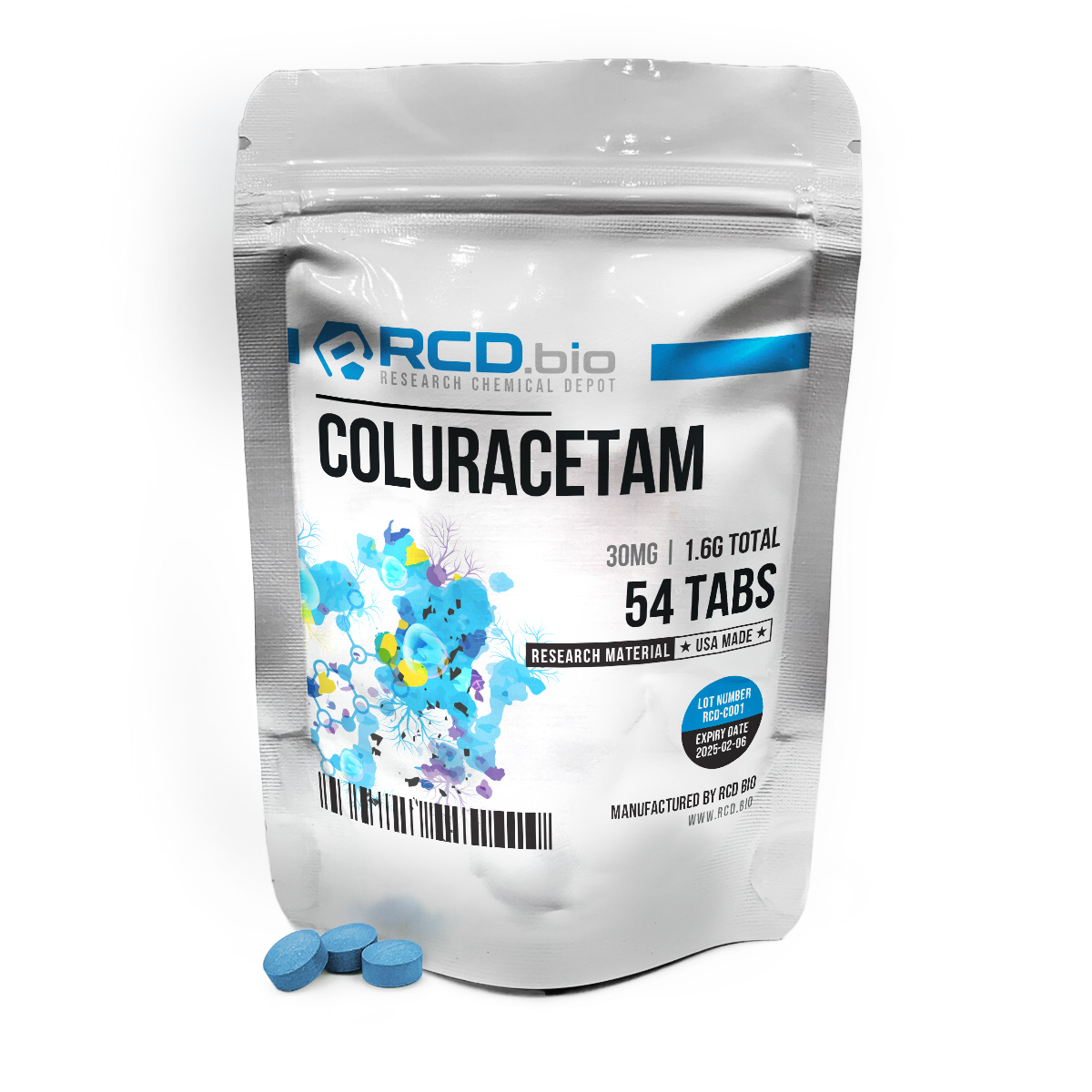
BindBio has sourced the best online supplier for your Coluracetam needs. Our selection includes RCD.bio‘s coluracetam stock in powder, liquid, and tablets. This site is a great source of high-quality and high purity, 3rd party tested nootropics, peptides, and SARMs. In our opinion, they offer the most competitive prices, and free shipping (orders over $100) and have an excellent reputation for service and delivery. RCD offers Coluracetam as a research compound for laboratory and research purposes.
Disclaimer
Bindbio as a platform operates as a third-party dropshipping platform and does not own or manufacture any of the products available for purchase. Please take some time to read our full disclaimer to make sure you are aware of any information or products that you find on our website and wish to rely upon.
FAQs
What is the half-life of Coluracetam?
Coluracetam is thought to have a half-life of 1-3 hours.
Can Coluracetam be stacked?
Coluracetam is often stacked with many products and nootropic compounds to enhance its potential effects. Many vendors offer coluracetam for sale with other racetams such as Aniracetam.
What is the difference between Coluracetam and Oxiracetam?
Coluracetam and Oxiracetam both offer similar benefits. However, they work through different mechansims and may differ in specific effects.



Reviews
There are no reviews yet.